





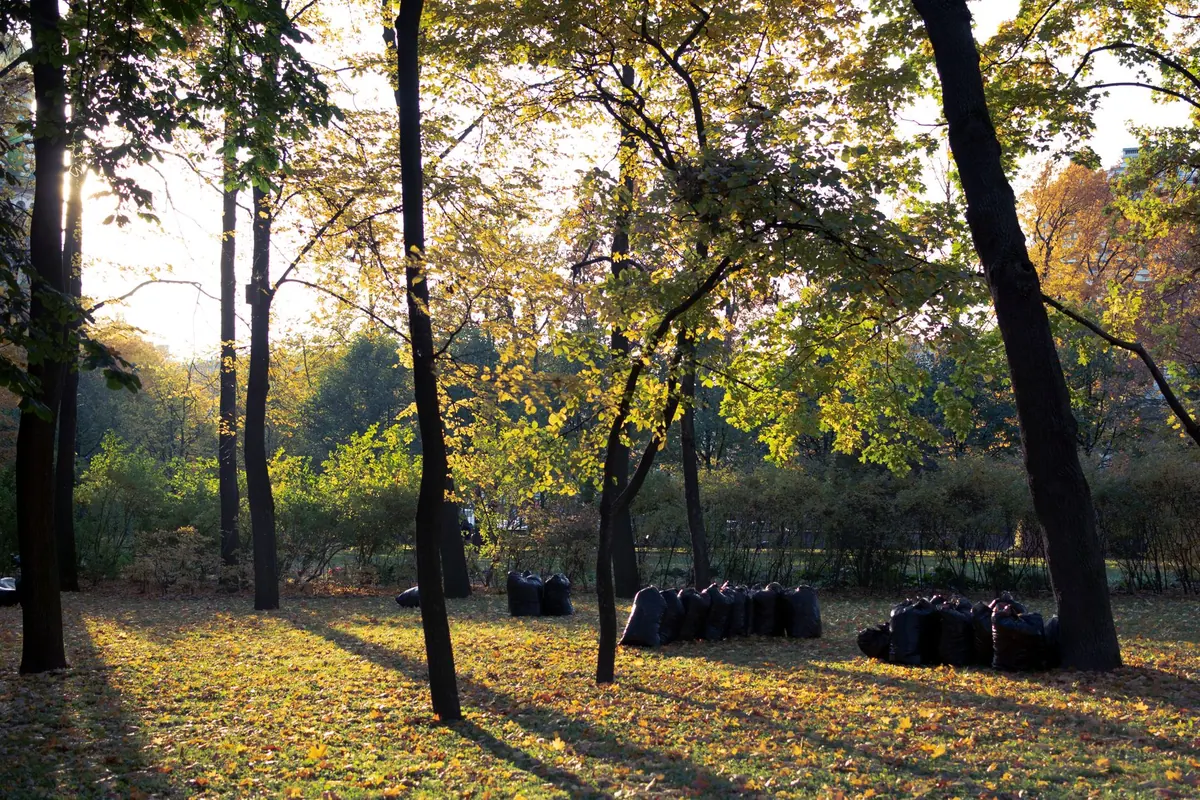
Autumn arrives in a courtyard in layers. First a few crisp leaves skitter across the paving. Then the gutter above the bike rack starts to droop. Then someone’s folding chair stays out through a rainy week and the fabric turns a shade of regret. The work is not complicated, but it is easy to postpone — and in a shared space, postponing has a way of becoming one person’s job. A calm cleanup before the first hard frost is less about perfection than about preventing small problems from settling in for winter.
Start with a short, shared walk-through
Before anyone grabs a rake, walk the courtyard with whoever is around. Twenty minutes is enough. Go in the morning if you can, when standing water and wet leaves are easier to spot. Bring a notebook or use your phone, and look up as well as down. The goal is a list of locations, not a list of culprits.
Check the main path, the bike storage area, the bin corner, and the edges where planters meet walls. Note where leaves collect, where drains sit, which furniture is still out, and whether any handrail or outdoor light looks loose. Take a few photos before you start. They make the after state easier to recognise and give you something concrete to show a landlord or building manager if a repair is needed.
Ask three questions: What can we do ourselves? What needs a professional? What needs permission? Clearing a surface drain is usually a neighbour-sized job. Cleaning a high gutter, repairing a roofline, or touching electrical fittings is not. If your building has a management company, confirm who handles what before cleanup day, not on the morning of.
Leaves: collect less often, but collect thoroughly
Leaves are not the enemy. Wet leaves on smooth paving are. They turn a short walk to the bin into a slip hazard, and they clog drains faster than most people expect. Rather than raking every few days, choose one or two collection days and do a thorough pass: paths first, then edges, then the corners where wind deposits everything.
Work with the weather. Dry leaves are lighter and easier to move; wet leaves need a stiff broom and patience. Rake toward a tarp or an old sheet instead of making many small piles, then drag the load to the compost or green-waste point. Keep piles away from walls, doors, and vents, where they hold moisture. Clear leaves from the base of railings and from steps even if the rest of the courtyard waits. If a drain is already blocked, clear that first; a swept path means little if the next rain pools at the door.
Drains and downspouts: the check that saves a weekend
Before the rainy season settles in, check every surface drain, channel, and downspout outlet you can safely reach from the ground. Lift the grate if it is loose, pull out leaves and silt with a gloved hand or a small trowel, and bag the debris. Clear a generous margin around the drain too, or the next gust will undo your work.
Watch where downspouts discharge. Water should flow away from the building and toward a drain or a permeable area, not across a neighbour’s doorstep or into a storage corner. If a downspout is loose, cracked, or pouring water against the wall, note it for whoever handles repairs. Tape is not a fix; autumn rain will find the same gap again.
Safety matters more than a complete checklist. Wear gloves, avoid reaching blindly into a drain, and never stand on a chair or a plastic crate to reach a gutter. If the job needs a ladder, it needs a second person and proper equipment, or a professional. High gutters, roof drains, and anything near wiring are not casual cleanup tasks.
Furniture, planters, and a storage plan
Outdoor furniture fails slowly and then all at once. A chair left out through a wet autumn can look fine in November and be wobbly, mildewed, or stained by spring. Decide item by item: store indoors, cover outside, or take apart and stack. Cushions, fabric covers, and anything with foam should go inside. Metal frames can stay out if they are stable and covered, but water trapped under a plastic cover can do more harm than leaving the frame exposed.
Clean and dry items before storage. Wipe chair legs, empty saucers under planters, and brush dirt from table feet so it does not become mud in the storage corner. Stack chairs loosely enough for air to move between them. If you use a shared shed or bin, label your things and agree on what counts as communal. A good rule: if it blocks a drain, a door, or a path, it is not storage; it is a problem waiting for rain.
Planters need a plan too. Move vulnerable pots closer to a wall or into a sheltered corner, but do not drag heavy pots alone. Empty saucers so they do not freeze with water in them, and raise pots slightly off the paving if you can. Terra cotta can crack in a hard freeze, so check what is worth bringing in. If you are unsure about a plant’s winter needs, ask at a local garden centre rather than guessing.
Divide the work fairly, not perfectly
The fastest way to spoil a shared cleanup is to ask for volunteers in a group chat and hope. A vague call attracts the same three people every year. A simple signup sheet with named tasks and time blocks works better, because people can choose what they can do without feeling obliged to stay all morning.
Split the courtyard into zones rather than tasks. One person takes the bin corner and the path to the gate; another takes the bike rack and the wall planters; a third takes leaves around the benches. Zones give people a clear finish line. Pair a lifting job with a sweeping or organising job, and give anyone who cannot do physical work a useful role: bringing water, keeping the gate clear, or managing the shared list.
- Twenty-minute jobs: sweep steps, clear a surface drain, wipe outdoor tables, empty saucers.
- Forty-five-minute jobs: rake and bag leaves, stack chairs, move planters, check downspout outlets.
- Pair jobs: moving heavy pots, carrying bags to the waste point, anything involving a ladder or a high reach.
- Follow-up jobs: report a loose railing, book a gutter clean, replace a broken bin lid, note what needs spring attention.
Be explicit about tools. List rakes, brooms, gloves, bags, and a wheelbarrow if you have one. People are more likely to turn up when they know they will not spend the first half-hour searching for a working broom. If someone offers a tool but not time, take the offer and put their name on the list.
A two-hour cleanup morning that works
Set a start and finish time, and keep both. Gather for ten minutes, confirm who is doing which zone, and send people out with their tools. Work for about forty-five minutes, take a short break, then do a second pass on the messy spots. Finish with a walk-through, a photo of the cleared drains and stacked furniture, and a note of what still needs a professional. Two focused hours beat a whole day that nobody wants to repeat.
Finish with a handoff, not a hero
Put the shared list somewhere people will see it, or send a short summary with what was done and what remains. Note the date, the tasks completed, and the name of anyone who has the key to the storage shed. If a repair was reported, write down who reported it and when. That way the next neighbour does not start from zero.
A courtyard does not need to look like a showroom. It needs to drain, dry, and stay safe through winter. If everyone takes one clear job and leaves the space a little easier to use, the cleanup is already a success.
Photo: Vitali Adutskevich / Pexels